Shortcuts:
Editors' Alternative: Samsung Galaxy S21 Extremely, the Greatest Digital camera Smartphone on the Market
As of now - precisely on the first half of 2021 - the Samsung Galaxy S21 Extremely is our choose for the perfect digital camera smartphone you should purchase in 2021. Observe that we got here to this conclusion following long-drawn discussions amongst our editorial crew members. Actually, we consider that the Samsung Galaxy S21 Extremely can be among the many greatest smartphones cash should buy.
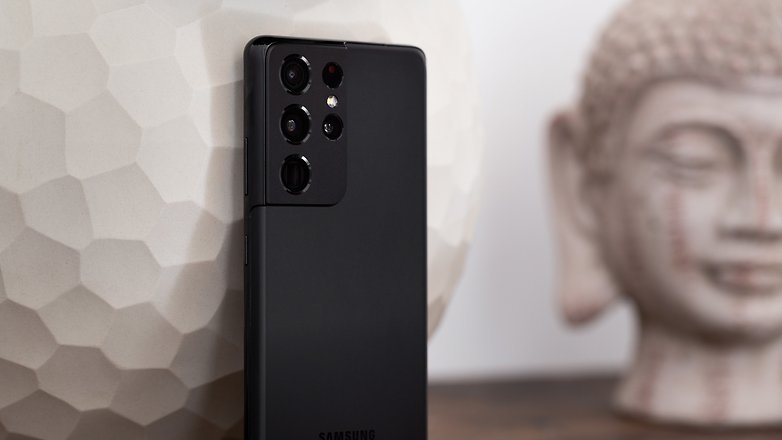
Noble, stylish and highly effective - the Samsung Galaxy S21 Extremely! / © NextPit
Ranking |  |
| Professional
| Cons
|
Digital camera module of the Samsung Galaxy S21 Extremely:
- Essential digital camera: 108 megapixels at 1/1.33" at f/1.8
- Extremely wide-angle: 12 megapixels at 1/ 2.55" at f/2.2
- Telephoto: 3x with 10 megapixels at 1/ 3.24" at f/2.4
- Telephoto (2): 10x with 10 megapixels at 1/ 3.24" at f/2.9
- Entrance digital camera: 40 megapixels at 1/ 2.8" at f/2.2
- 100x area zoom, hybrid optical zoom, 8K video snap, movement view, director's eye view
- 8K video at 24fps
As talked about within the intro, we unanimously suppose that as of July 2021, it's nigh inconceivable for some other smartphone to match the sheer digital camera high quality and flexibility supplied by the Samsung Galaxy S21 Extremely. The Galaxy S21 Extremely's super-advanced digital camera is totally one of many highlights of this top-of-the-line smartphone. Along with an improved 108-megapixel sensor, there's an ultra-wide-angle digital camera right here, in addition to two (!) telephoto cameras without delay.
So zooming in at 10x magnification lastly works with out important lack of high quality, and you may nonetheless get fairly usable outcomes with Samsung's 100x area zoom if you want. The digital camera is flexible and in addition logically advantages from all of the digital camera options Samsung launched with the S21 collection.
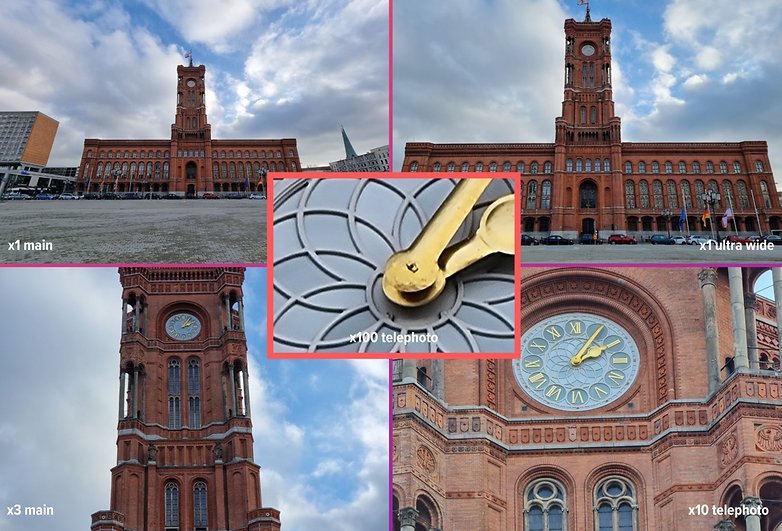
In contrast to lots of its rivals, the Galaxy S21 Extremely has a very highly effective zoom / © NextPit
Nonetheless, we would not be praising the digital camera so extremely if solely the telephoto lenses carried out so properly and the remainder fell considerably brief. Subsequently, we additionally need to discuss the primary digital camera and the sensor for the ultra-wide-angle right here.
In daylight, the primary digital camera does precisely what we anticipate from a Samsung flagship: Churn out photographs which have wonderful element, well-managed dynamic vary, and eye-pleasing colour. Focusing can be a lot quicker than within the predecessors.
With regards to the ultra-wide-angle lens, Samsung sticks with final yr's expertise: it is primarily based on a 1/2.55"-12MP sensor with 1.4-µmm pixels and makes use of a 13mm lens with an f/2.2 aperture that provides a 120-degree area of view. What's new right here, although, is that Samsung is providing autofocus, not like final yr's fashions. With regards to low-light photographs, we expect solely the Huawei Mate 40 Professional captures higher night-time photographs.
Learn our Galaxy S21 Extremely Overview
The perfect options that NextPit recommends
After the editorial choice, which is essentially subjective and doubtless will not please everybody, let's transfer on to the remainder of the choice.
Huawei Mate 40 Professional: The highest different for the perfect digital camera smartphone
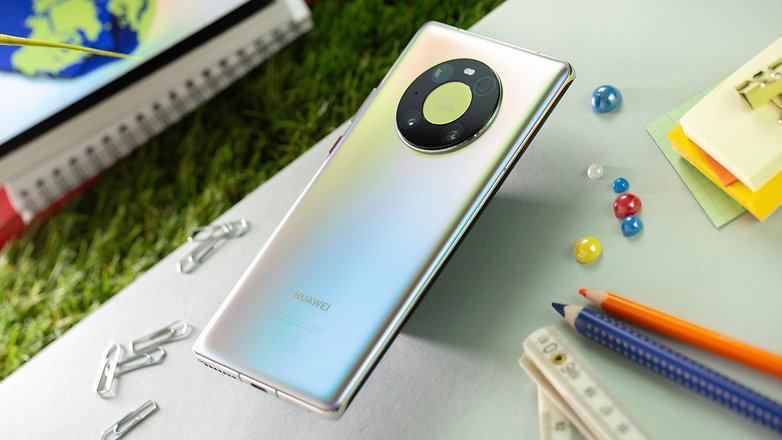
The Huawei Mate 40 Professional continues to be a standout picture smartphone / © NextPit
Ranking | |
| Professional
| Cons
|
Digital camera module of the Huawei Mate 40 Professional:
- Extensive-angle essential lens 50 MP, f/1.9, 23 mm, 1/1.28", 1.22 µm, PDAF omnidirectional, AF laser
- Periscopic telephoto lens 12 MP, f/3.4, 125 mm, PDAF, OIS, 5x optical zoom
- Extremely wide-angle lens 20 MP, f/1.8, 18 mm, PDAF
- Video: 4K at 30/60 fps, 1080p at 30/60/120/240/480 fps, 720p at 960 fps, 720p at 3840 fps,
- 13 MP, f/2.4, 18 mm ultra-wide-angle selfie lens
- 3D ToF sensor
- Video: 4K at 30/60 fps, 1080p at 30/60/240 fps
Effectively, we all know it's kind of difficult getting the Huawei Mate 40 Professional within the US given the sticky scenario between Huawei and the US authorities. Nonetheless, we needed to embody this cellphone as our high point out on this part due to its sheer awesomeness. Virtually a yr because it was introduced, it stays one of the crucial highly effective digital camera smartphones cash should buy in 2021.
It gives the identical digital camera module as the superb Huawei P40 Professional, with a decrease decision on the ultra-wide-angle vary (20 MP as a substitute of 40 MP). The 'periscope' telephoto lens almost outperforms the competitors, inflicting virtually no loss in high quality at 2x, 5x, and 10x magnification. Past that, the drop intimately is noticeable however stays significantly better contained than rivals. Whereas it has kind of the identical efficiency because the P40 Professional, the Huawei Mate 40 Professional has the benefit of being geared up with the most recent, extra highly effective Kirin 9000 SoC in addition to a 90 Hz OLED waterfall show.
On a regular basis life with a Huawei smartphone restricted by the US ban is kind of doable, as we have been in a position to clarify in our EMUI 11 assessment. That stated, the shortage of Google companies continues to be a barrier to buy for a lot of customers, I am conscious.
Click on right here for the assessment of the Huawei Mate 40 Professional
Samsung Galaxy S20 Extremely: An inexpensive different to the S21 Extremely
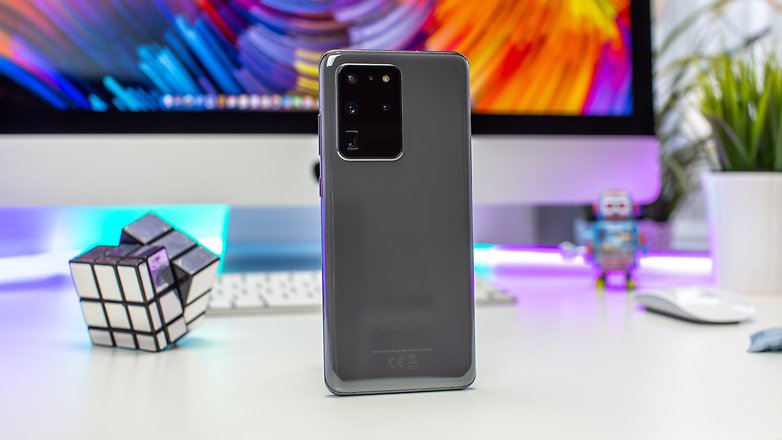
The Samsung Galaxy S20 Extremely is the perfect different to the Galaxy S21 Extremely from Samsung's personal ranks/ © NextPit
Ranking | |
| Professional
| Cons
|
The digital camera module of the Samsung Galaxy S20 Extremely:
- 108 MP, f/1.8, 26mm, 1/1.33", 0.8µm, PDAF, OIS wide-angle essential lens.
- 48 MP, f/3.5, 103mm (telephoto periscope), 1/2.0", 0.8µm, PDAF, OIS, 4x optical zoom, 10x hybrid zoom
- 12 MP, f/2.2, 13mm (ultra-wide), 1.4µm, super-stable video
- 0.Three MP, TOF 3D, f/1.0, (depth).
- Video: 8K to 24fps, 4K to 30/60fps, 1080p to 30/60/240fps, 720p to 960fps
- 40 MP, f/2.2, 26mm, 0.7µm, PDAF wide-angle lens with self-timer
- Video: 4K at 30/60fps, 1080p at 30fps
In case you merely shouldn't have sufficient money to splurge on the Galaxy S21 Extremely, it's advisable you accept the now cheaper - however almost pretty much as good - Galaxy S20 Extremely from final yr. The S20 Extremely will get a 108MP major sensor (Samsung Isocell HM1). This sensor combines not 4, however 9 pixels into one "superpixel".
Above the 108-megapixel essential sensor, Samsung has an ultra-wide-angle module. The native decision is 12 MP and the sector of view is likely one of the widest amongst at the moment's smartphones at greater than 120 levels. The bottom of the three modules is the well-known Sony IMX586 48 MP sensor with a periscopic zoom that gives 5 x 5 optical magnification. This can be a much better than common configuration for a telephoto lens.
So long as you do not transcend 5x magnification, the Samsung Galaxy S20 Plus's zoom is efficient and maintains good element, but when the smartphone crops within the base picture to supply magnification ranges, you will lose element at 10x magnification. So the "100x" zoom is nothing greater than a superfluous promoting level.
Click on right here for the assessment of the Samsung Galaxy S20 Extremely
iPhone 12 Professional Max: The individuals's alternative!
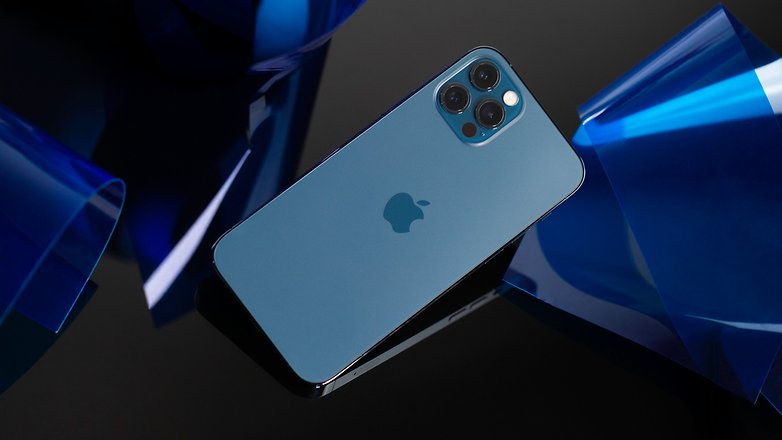
The iPhone 12 Professional is the perfect digital camera smartphone from Apple / © NextPit
Ranking | |
| Professional - Digital camera take a look at pending | Cons - Digital camera take a look at pending |
The iPhone 12 Professional Max digital camera module:
- 12 MP wide-angle prime lens, f/1.6, 26 mm, 1.7µm, dual-pixel PDAF, IBIS stabilization
- Telephoto lens 12 MP, f/2.2, 65 mm, 1/3.4", 1.0µm, PDAF, OIS, 2.5x optical zoom
- 12 MP, f/2.4, 120˚, 13 mm, 1/3.6" ultra-wide-angle lens
- ToF 3D LiDAR sensor
- Video: 4K at 24/30/60 fps, 1080p at 30/60/120/240 fps.
- Selfie wide-angle lens 12 MP, f/2.2, 23 mm, 1/3.6" selfie lens
- 3D depth sensor
- Video: Video: 4K at 24/30/60 fps, 1080p at 30/60/120/240 fps.
The principle distinction between the iPhone 12 Professional and iPhone 12 Professional Max is the scale of the primary sensor, which is 47 % bigger on the Professional Max. This bigger sensor logically gives higher dynamic vary, higher low-light efficiency, and general higher picture high quality.
However the massive spotlight of the iPhone 12 Professional Max, in response to my colleague Julia, is that for the primary time, the iPhone gives 2.5x optical zoom (Apple calls it a "5x optical zoom vary"), HDR 3. The cellphone additionally takes spectacular pictures in low gentle because of the LiDAR scanner.
One distinction from the 11 Professional Max is the evening mode accessible within the ultra-wide angle mode. With iOS 14.3, Apple has additionally included the brand new Apple ProRAW picture format, which permits for extra thorough post-processing of iPhone photographs.
Actually, Apple claims that the Professional Max's low-light efficiency is 87 % higher than older units. The bigger bodily measurement of the iPhone 12 Professional Max has additionally allowed the telephoto zoom to extend to 65mm. Which means the 12 Professional Max has a really large zoom vary, from 13 mm ultra-wide to 65 mm zoom.
It additionally makes use of sensor stabilization through IBIS or "in-body picture stabilization" expertise, which is discovered on conventional hybrid cameras. The sensor could make 5000 micro changes per second, and this stabilization means you'll be able to stand up to 2 seconds of hands-free publicity in low gentle.
Not too long ago, we invited the NextPit group to participate in a blind take a look at to check and price pictures from smartphone cameras. And, what can we are saying: the iPhone 12 Professional Max noticed off your entire Android competitors. Motive sufficient to incorporate the iOS smartphone right here as a high-end different within the listing.
Click on right here for the assessment of the iPhone 12 Professional.
OnePlus 9 Professional: OnePlus can lastly do digital camera!
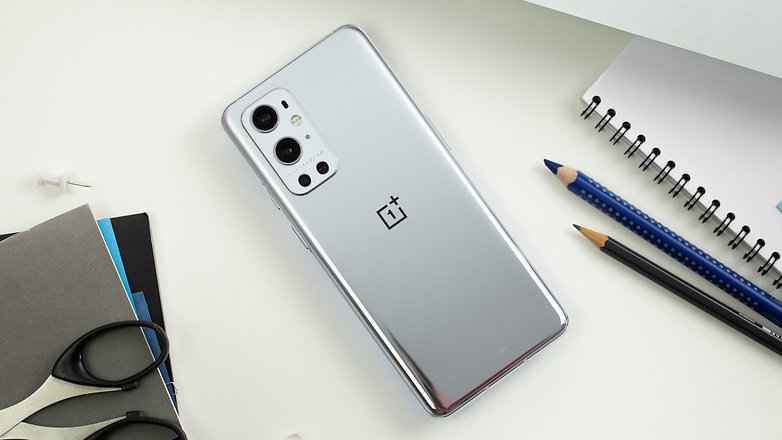
The OnePlus 9 Professional advantages from the collaboration with Hasselblad / © NextPit
Ranking | |
| Execs
| Cons
|
The digital camera module of the OnePlus 9:
- Essential wide-angle 48 MP: Sony IMX789, 1/1.43" (sensor measurement), 2.24μm (pixel measurement with 4-in-1 binning), EIS/OIS, f/1.Eight aperture, 23mm equal
- 50 MP ultra-wide: Sony IMX766, 1/1.56" (sensor measurement), free-form lens, f/2.2 aperture, 14 mm equal
- Telephoto Eight MP: f/2.Four aperture, 1.0μm (pixel measurement)
- 2 MP monochrome
- Twin LED flash
- Entrance digital camera: Sony IMX471, 16 MP, f/2.4, 1.Zero µm, fastened focus
- Multi-autofocus: PDAF+CAF for all pixels, omnidirectional
- 8K video at 30 FPS, 4K video at 30/60 FPS
- Tremendous Gradual Movement: 720p at 480 FPS, 1080p at 240 FPS
- Time Lapse: 1080p 30 FPS, 4K at 30 FPS
We needn't focus on the truth that OnePlus can construct wonderful smartphones. However then, more often than not, it was the digital camera that could not fairly sustain with the competitors's high fashions. OnePlus has acknowledged this and has taken it upon itself to now intentionally deal with bettering the digital camera sensors.
For this function, the Chinese language producer has tapped Hasselblad, a real digital camera legend, for a joint partnership. The OnePlus 9 Professional already advantages from this, though on this case the collaboration between the businesses continues to be restricted to the software program facet.
The spotlight of the 48MP essential sensor is assist for native twin ISO, 12-bit RAW, and DOL-HDR. DOL stands for "Digital Overlay" and signifies that a number of photographs are taken at totally different exposures after which mixed to optimize the dynamic vary. So far as daylight photographs go, we need to say we have been blown away by how confidently the complicated dynamic ranges have been dealt with.
Usually, we knew from earlier OnePlus flagships this annoying tendency to attract a veil over photographs, often as a result of too aggressive smoothing. The AI clumsily tried to scale back digital noise, and one of many key enhancements within the OnePlus 9 Professional is the near-total absence of this haze.
If we take a look at evening and wide-angle photographs, we'll discover that the OnePlus cameras are simply not but the place Huawei and Samsung are, for instance. The zoom additionally falls behind the remainder of the digital camera options.
Click on right here for the assessment of the OnePlus 9 Professional
Google Pixel 4a 5G: The perfect mid-range cameraphone
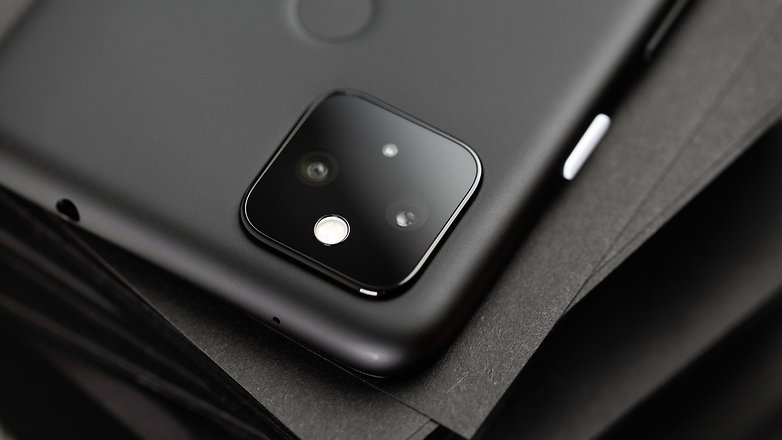
The Google Pixel 4a 5G is the most cost effective digital camera cellphone from 2020 / © NextPit
Ranking |  |
| Professional
| Cons
|
The Google Pixel 4a 5G's digital camera module:
- 12.2 MP wide-angle lens, f/1.7, 27 mm, 1/2.55", 1.4µm, dual-pixel PDAF, OIS
- 16 MP ultra-wide-angle lens, f/2.2, 107˚, 1.0µm
- Video: 4K at 30/60 fps, 1080p at 30/60/120/240 fps
- Eight MP, f/2.0, 24 mm, 1/4.0", 1.12µm wide-angle selfie shooter
- Video: 1080p at 30 fps
The Google Pixel 4a 5G is a smartphone that provides the primary qualities of the Pixel flagship however at a extra inexpensive value. Google has added a wide-angle sensor to the well-known 12.2-megapixel essential digital camera, as a substitute of a telephoto lens like on the Pixel 4.
In his assessment of the smartphone, my colleague Ben discovered that the digital camera duo on the again delivers excellent to wonderful outcomes and Google manages to keep up the efficiency degree of its predecessors. Particularly with the cheaper Pixel 4a 5G, it is an actual pleasure to make use of, as a result of for little cash you get loads of stunning and crisp reminiscences.
The brightness and distinction of the pictures are managed individually with Twin Publicity Administration and White Steadiness, permitting you to regulate each the brightness of the pictures and the depth of the HDR impact. As a substitute of simply telling the smartphone to optimize the dynamic vary, you management the effectivity of the dynamic vary, which makes the darkish areas kind of outstanding. It is a great tool for creating photographs that nearly makes you overlook there isn't any Professional mode, together with controlling publicity time.
Click on right here for the assessment of the Pixel 4a 5G
Samsung Galaxy A72: Samsung's mid-range different
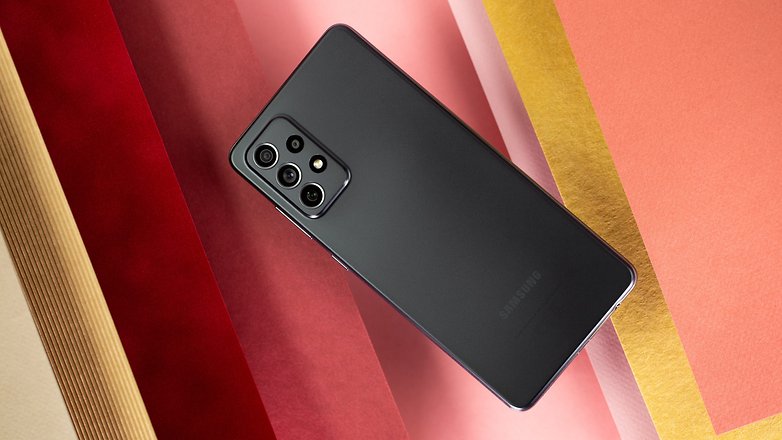
The Galaxy A72 gives a further telephoto digital camera on the again / © NextPit
Overview | |
| Professional
| Cons
|
The digital camera module of the Samsung Galaxy A72:
- Essential lens: 64MP with f/1.Eight and OIS
- Extremely large angle: 12MP with f/2.2
- Telephoto lens (3x): 8MP with f/2.4
- Macro: 5MP with f/2.4
- Selfie: 32MP with out AF
- UHD 4K (3,840 x 2,160 pixels) @30fps
- Gradual movement: 240fps @HD
The Samsung Galaxy A72 is but to reach within the U.S - however we've already managed to assessment it in Europe. The Galaxy A72 impressed Camila within the assessment, particularly by way of media consumption. This isn't the least as a result of 6.7-inch Tremendous AMOLED show with its refresh price of 90 hertz. The battery capability can be bigger in comparison with the A52 5G. Samsung makes use of a 5,000 milliamp-hour battery within the A72.
This makes it attention-grabbing for Samsung followers who do not need to pay four-digit sums for a smartphone. The A72 is obtainable for as little as 449 Euros.
However the gadget can be attention-grabbing for our overview of probably the most recommendable digital camera smartphones. The 64 MP essential cam with optical picture stabilization is a very nice all-rounder that not solely convinces in good lighting situations, but in addition in evening photographs, for instance.
Moreover, Samsung needs to be congratulated for the choice to omit a somewhat pointless depth sensor and provide a telephoto sensor as a substitute. The optical magnification is a pleasant shock, particularly on this value vary, and so Samsung has put collectively a very nice general package deal for the mid-range.
Learn the assessment of the Samsung Galaxy A72 right here.
HDR and evening mode: The significance of software program processing
All of your smartphone pictures are topic to software program picture processing by the gadget's AI. This processing will be kind of aggressive and might have an effect on the picture high quality, which can be totally different from what you noticed with the bare eye on the time you took the picture.
HDR
HDR or Excessive Dynamic vary is the ratio between the darkest and lightest areas of a scene. The decrease the dynamic vary of a photograph sensor, the tougher it turns into to appropriately see components at reverse ends of the vary on the identical time.
Particularly, this manifests itself in skies which might be too white and burned by gentle, or buildings which might be too darkish and drowned in shadow, which enormously impacts publicity and/or distinction. So you will by no means have the ability to have all the weather of a scene with good publicity on the identical time in a single shot.
With HDR, the smartphone takes a number of consecutive photographs, every with a special publicity, to mix them and get a "balanced" rendering. Nonetheless, this characteristic may also be problematic for those who transfer an excessive amount of through the publicity - the shot might be blurry.
It is kind of the identical course of smartphones use for his or her well-known evening mode.
Automated scene detection
The primary kind that software program processing can take can be probably the most fundamental: scene detection. The smartphone routinely detects components (sky, grass, face) within the shot and adjusts the picture processing in response to the recognized components. For instance, the blue of the sky or the inexperienced of the vegetation in a panorama picture will be emphasised extra, and the face in a portrait picture will be sharpened.
AI: "Deep Studying"
The AI of a Google Pixel or a Deep Fusion mode on the iPhone are much more superior, integrating the notion of Deep Studying into picture processing. Particularly, to beautify your picture, the smartphone compares it to an enormous database of comparable photographs to regulate settings and counsel the suitable rendering for that kind of shot.
Whereas this characteristic is well-liked with newbies who swear by computerized mode, it may be irritating if the processing is simply too aggressive and decides for the photographer what's or is not stunning in a photograph.
Samsung, for instance, has lengthy had an unlucky tendency to oversaturate colours, leading to photographs which might be something however pure. Night time mode in Google Pixel causes evening pictures to lose their pure look, giving the impression that the pictures have been taken through the day (e.g. a sky that's too brilliant).
The aperture defined
Strictly talking, the phrases aperture (additionally referred to as f-number) and f-stop ratio are typically used incorrectly. The proper time period can be "aperture ratio", which describes the focal size of the system in relation to the diameter of the doorway pupil of the lens.
This ratio is often expressed as a fraction within the notation "f/1.8" or "1:1.8". It is pretty counter-intuitive, however the bigger the aperture, the smaller the quantity after the f. Thus, f/16 is a small aperture, whereas f/1.Four supplies a bigger aperture.
Aperture is especially helpful together with sensor measurement to play with background blur and low-light efficiency. The bigger the aperture - and subsequently the quantity of sunshine captured - the blurrier the background behind the topic being photographed. This can be a parameter that may be attention-grabbing to spotlight in portraits however can be a superb indicator of low gentle efficiency.
The emphasis is extra on gentle depth. An enchancment from F2.Four to F1.7, for instance, signifies that the smartphone has twice as a lot gentle to shoot with. This, in flip, paves the best way for non-obligatory lighting:
- A photograph taken at half ISO sensitivity. Half sensitivity means much less amplification of the picture sign and subsequently much less picture noise.
- A photograph taken at half shutter velocity. This reduces the chance of digital camera shake when transferring shortly or in low gentle.
Optical zoom and focal size
To grasp what optical zoom actually means in a smartphone, first take a look at focal lengths. The focal size of a lens signifies the space between the lens and its point of interest, the place all the sunshine rays converge.
An optical system with a really lengthy focal size subsequently focuses the sunshine very far behind the lens. A protracted focal size subsequently means a small angle of view - or in additional colloquial phrases, a "sturdy zoom".
In case you actually need to understand how far a smartphone can zoom with out compromising picture high quality, three values are essential:
- The focal size of the telephoto lens in 35mm equal.
- The picture sensor below the identical telephoto lens
- The aperture of the telephoto lens
The telephoto focal size in 35-mm equal signifies the smartphone's potential to zoom in on distant topics by means of optical magnification. If the ratio between the flowery magnification and the precise optical magnification goes too far, the cellphone has to digitally zoom in - and the picture high quality suffers.
That is the place the picture sensor below the telephoto lens comes into play: the bigger the sensor, the extra gentle it captures - and the higher the picture high quality. A really massive picture sensor not solely delivers higher photographs when optically magnified by the lens, but in addition supplies extra room for the digital zoom.
Lastly, the aperture of the telephoto lens additionally performs a job. The aperture describes the quantity of sunshine accessible to the sensor for the picture. Generally, the extra gentle, the much less noise and the decrease the chance of digital camera shake. Telephoto lenses in smartphones particularly are notoriously weak on these factors.
What's the optical zoom?
A focal size in 35mm equal defines precisely the scale of a given object imaged on the sensor at a given distance from the digital camera. Now, an optical zoom signifies that the digital camera is ready to obtain totally different picture angles or picture sizes by various the focal size.
Early picture smartphones with two lenses have been often geared up with a twin optical zoom - the focal lengths of the 2 lenses have been about 25 and 50 millimeters. Then got here the more and more highly effective telephoto lenses, and the double zoom finally grew to become an "x5" within the digital camera utility.
Then, when the ultra-wide-angle lens made its manner into the good mass of LG smartphones, the large angle of view was silently referred to in all places as "x0.5" or "x0.6" - that's, 0.5x zoom to the primary digital camera, halved.
The Samsung Galaxy S20 Extremely, for instance, optically renders focal lengths equal to 13 to 103 millimeters - and subsequently has an optical zoom of about x8. It is attention-grabbing that this quantity shouldn't be on the spec sheet.
In brief, a 3x optical zoom means, for instance, that the longest focal size of the digital camera system divided by the shortest focal size is strictly three. The Samsung Galaxy S20 Extremely has eight occasions extra optical zoom.
Why is the 100x zoom a gimmick?
So the place does the "x100" come from {that a} Galaxy S20 Extremely wears so proudly? Logically, for a 100x optical zoom, a smartphone ought to cowl a focal size vary of 13 to 1300 millimeters in 35mm equal.
The reply to the query "the place does 100x come from?" is straightforward: from the creativeness of Samsung's product managers. In contrast to the optical zooms of "actual" cameras, this "x100" has completely nothing to do with the optical capabilities of the digital camera system. As a substitute, Samsung has chosen a fantasy worth because the higher restrict for the digital camera.
Particularly, smartphones are technically restricted by their measurement, and extra importantly, the scale of their digital camera modules, and subsequently can't provide a zoom akin to that of an SLR, with a set of progressive lenses inside the identical lens, briefly, a real "optical" zoom.
In actuality, smartphones do not zoom, they play with their a number of lenses. Most fashions at present include a wide-angle essential lens and a telephoto lens with a special focal size.
How did NextPit select the perfect picture smartphones?
As defined within the introduction, this listing is bigoted as it's primarily based on the preferences of the creator (on this case me) and the remainder of the editorial crew (the listing is mentioned amongst all testers).
We determined to pick out the perfect picture smartphones in the marketplace in 2021 primarily based on a number of classes: the editors' alternative or the perfect ever, the perfect worth for cash, probably the most inexpensive, with probably the perfect options.
However the aim is to not sequence the alternatives an excessive amount of. Shopping for a smartphone is the product of a number of shopping for standards. Hardly ever do individuals select their smartphone primarily based on a single criterion like battery or display.
As for a take a look at, this listing is the product of a number of subjectivities however is all the time partially supported by goal and verifiable components. We additionally stay attentive to the group by making an allowance for the suggestions of readers within the feedback, that are integrated into the choice.
Particularly, solely fashions which have already been examined are chosen. The smartphone is positioned within the context of the present market scenario, making an allowance for potential value cuts, the discharge of recent competing fashions, availability for buy, and many others. If a mannequin shouldn't be accessible, it will likely be changed by a brand new one.
What do you consider this choice? Which fashions do you suppose we've forgotten and needs to be included? Do you discover the recommendation and methodology sections helpful? Give us your suggestions within the feedback!
Posting Komentar
Posting Komentar